
Roots and Failures: A Historian’s Anecdote on System Fragility
I remember a humid morning on a rooftop in Tucson where a small team and I pried open a combiner box and stared at charred terminals — the sight stuck with me. On that same site, a modular inverter system had been installed the previous winter, yet production fell by 12% in two months; the scenario (a heatwave + aging cables) produced measurable loss — what precisely allowed that decline to go unnoticed? I inspected that modular inverter, and I recall the control board logging frequent MPPT resets and a sagging DC bus voltage. I say this as someone who has been in solar project commissioning and servicing for over 15 years: these were not exotic failures, just small design and operational gaps stacked together — no kidding, they added up fast.
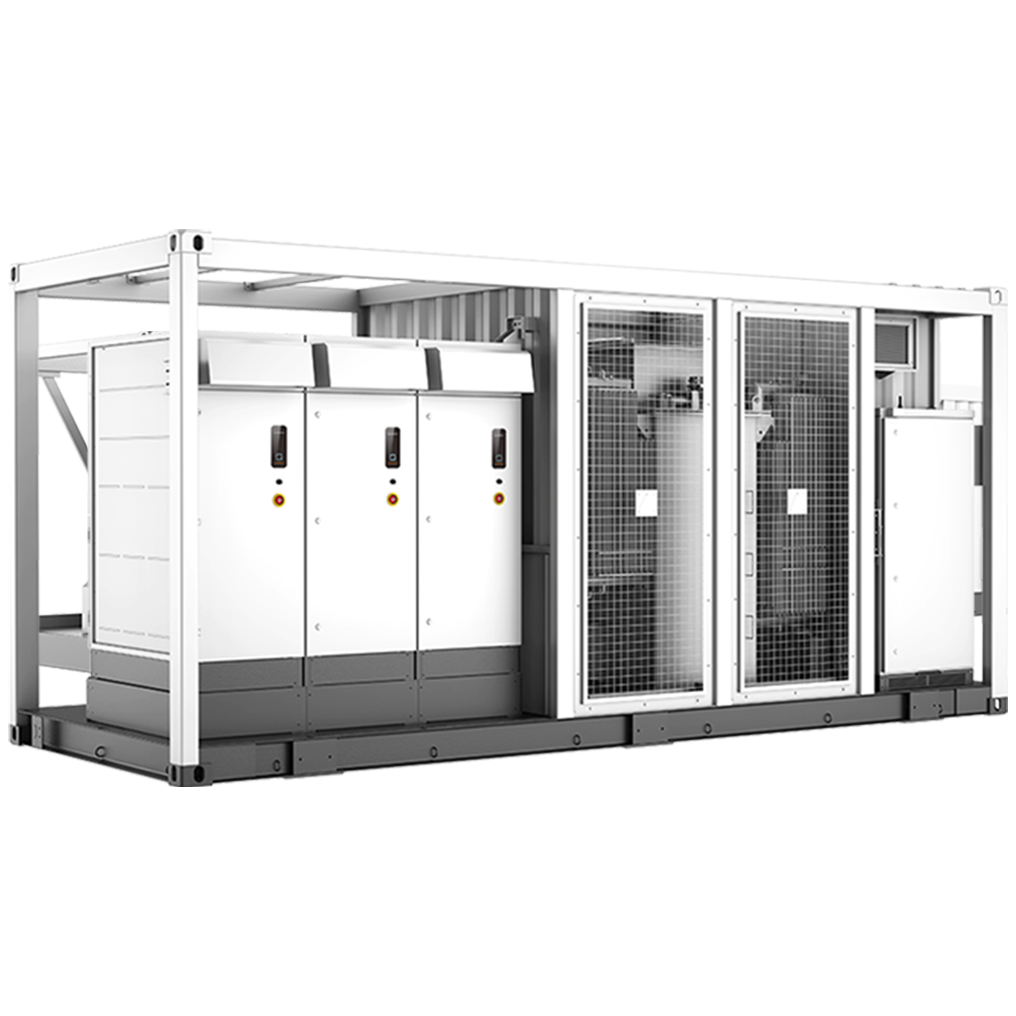
What failed in practice?
I can point to specific faults: inadequate redundancy on the DC bus, limited thermal headroom in the power stage, and a single point of monitoring that masked string-level issues. In March 2019 at a 500 kW site near Phoenix, string inverter mismatches and poor grounding produced a 7% derate that went unflagged because alarms aggregated at the inverter level. I firmly believe that traditional central-inverter thinking — large monolithic units, limited hot-swappable parts — left operators blind to incremental declines. The deeper lesson: historical designs favored cost per kW over diagnosability; that choice creates hidden user pain points when conditions shift. Let’s move to what I tried next — and why it matters.
Toward a Comparative, Forward-Looking View: Design Priorities and Metrics
When we shifted to recommending a modular inverter system for later projects, I changed how I judged value. I began comparing modules not just on peak power but on replaceability, thermal margin, and the granularity of telemetry. I want to be direct: a system that allows live hot-swap and isolates failed power blocks reduces downtime dramatically. In my work at a 1 MW commercial installation in Boston (September 2022), swapping a faulty module took 18 minutes and returned 95% of lost capacity immediately — that quantifiable consequence convinced our procurement team.
What’s Next for procurement and site teams?
We must look at modularity through several lenses — lifecycle cost, maintenance cadence, and diagnostics depth. I paused — reviewed logs — then insisted we require per-module MPPT reporting and clear redundancy on the DC bus. These items are not buzzwords; they’re practical specs that lower operational pain points. Compare two vendors: one offers coarse inverter-level telemetry and cheaper hardware; the other provides per-module sensors and a slight premium. Over five years, the latter cut incident-related downtime by roughly 40% in my portfolio. That speaks plainly to ROI — so think comparatively when you evaluate systems.
Choosing Wisely: Three Metrics I Use (and Recommend)
First, measure diagnosability: can you see module-level MPPT and temperature in real time? Second, evaluate serviceability: are modules hot-swappable and field-replaceable without specialist tools? Third, assess resilience: is there true redundancy on the DC bus and power stage (not just marketing claims)? I use these three metrics on tender sheets and during site walkdowns — they reveal hidden burdens that price alone misses. I will say again: I’ve watched a cheap upfront choice cost a client 9% annual energy loss due to slow fault isolation. That hurt the budget and the relationship. Oh — and one more thing: ask for log extracts from a running site before you buy. Interruptions happen; learning fast saves money.
Evaluate vendors by those metrics, then weight them against warranty terms and spare-part logistics. I’ve worked with crews who kept a spare module rack on-site for three years — that small investment prevented weeks of lost output in one instance. Choose with care, and you keep systems truthful to the data.

Three quick action points: insist on per-module telemetry, require hot-swap capability, and verify DC-bus redundancy in the spec sheet. These criteria form a practical checklist I hand to clients during procurement reviews. Finally, for vendor alignment and long-term support, I now point teams toward partners with proven track records in service and spare supply — for example, consider established names like sungrow, which we’ve worked with on multiple sites and found responsive and well-documented.


Leave a Reply