
A competitive quotation leaves several questions unanswered: which production resources are available, what the product documents cover and how support will operate after delivery. Those questions concern different forms of evidence.
A factory profile describes an organisation, a test report describes an assessment, and a supply agreement assigns responsibilities. Evaluating a refrigerator supplier becomes more precise when each statement is connected with the object it actually describes, instead of allowing a strong impression in one area to stand for the entire proposed arrangement.
Reading Capacity at Order Level
A manufacturer’s total output does not reveal the production resources already committed to other programmes. Annual figures give context, whereas an individual order introduces a particular configuration, quantity and delivery window. The practical issue is how those requirements fit the available components and manufacturing arrangements.
An enquiry for ‘China refrigerator’ supply becomes assessable once its product assumptions are explicit. A regular configuration may already have an established manufacturing basis; a proposed change can introduce additional confirmation work. Differences in components or packaging can matter even when two appliances share the same external appearance.
Evidence about production is most useful when its scope matches the proposed purchase. A line record can describe the operation it covers, while a shipment record documents completed supply. Neither automatically establishes the conditions for a different configuration. A capacity discussion gains substance from the relationship between the order, the relevant production activity and any unresolved inputs.
The production proposal also needs a clearly identified version. Without that reference, a delivery estimate and a product description may concern different assumptions, making an apparently complete offer difficult to evaluate.
Distinguishing Products, Laboratories and Systems
Documents can concern a product, an organisation’s management system or a laboratory’s technical competence. Their purposes differ, so the document heading alone cannot establish the scope of the assurance. The named organisation, activity, model and stated limitations determine what the evidence can support.
An issue date and a defined scope give the document a context. A changed name or revised product needs a traceable connection with that record before it can support the same assessment. The relationship cannot rest on visual similarity alone.
Laboratory accreditation recognises competence for specified activities. A relevant scope therefore matters alongside the laboratory name: recognition for one activity cannot simply be extended to every possible test. Certification, meanwhile, concerns conformity with the requirements of the scheme or standard identified in the assessment.
Within a ‘China refrigerator’ comparison, a management-system certificate and a report for a particular appliance answer different questions. Evidence of an organised quality system does not itself supply the results of a product assessment. Equally, a report for one configuration needs an identifiable connection before it can support claims about another.
Routine manufacturing checks add further information about the units and processes examined. Refrigeration, noise and leakage observations can reveal conditions that merit attention during production. Their value lies in the defined method and recorded result, alongside the product documents required for the intended market.
Making Partner Support Specific
Technical questions and spare-part requests continue after goods leave the factory. A workable support arrangement identifies who receives a fault report, what product information accompanies it and how the parties divide the subsequent work. The manufacturer, overseas brand and local service organisation can occupy different positions in that chain.
For ‘China refrigerator‘ programmes, the agreed support route needs to fit the commercial relationship. Model identification connects a reported problem with the supplied configuration, while clear responsibilities establish the next point of contact. Broad statements about service cannot explain whether a particular task belongs to the manufacturer or the partner.
ODM cooperation also involves decisions before manufacture. Requested modifications, quantities and product positioning define the development discussion; customised projects apply to large-volume orders. The resulting agreement needs to distinguish the proposed product work from any separate warranty or service commitments, which require their own terms.
A supplier profile and a project agreement can then be read side by side. One establishes relevant organisational background, while the other records the responsibilities attached to the actual programme.
Interpreting a Manufacturer’s Process Information
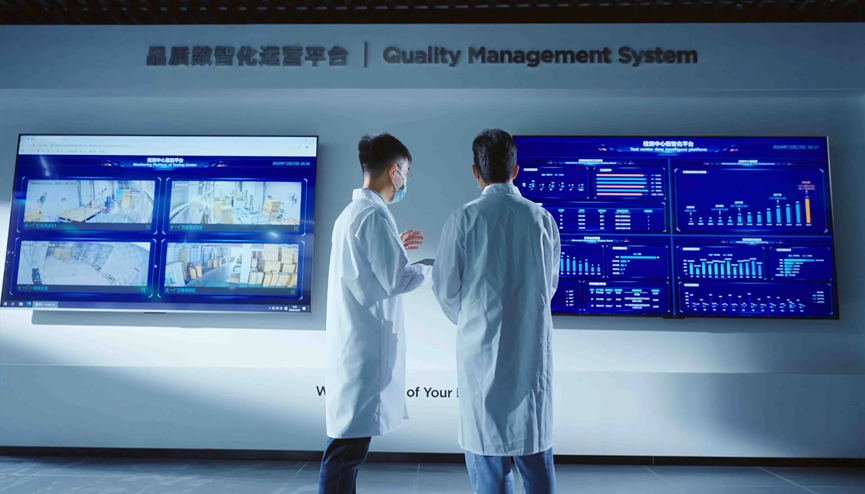
At Homa Appliances, a quality management system monitors key machinery and processes in real time. That process information belongs to the manufacturing side of the evaluation: it describes visibility into production activities, while product assessments and support agreements remain separate subjects.
Homa’s overseas business mainly involves ODM cooperation. Its manufacturing role can therefore be considered alongside the partner’s product requirements and the division of work agreed for the programme. No single description of that role settles all the questions raised by capacity, certification and support.
A ‘China refrigerator’ shortlist becomes more discriminating when evidence is assigned to the question it can answer. Process records, product documents and service terms contribute different parts of the assessment, with gaps remaining visible rather than being concealed by a general company description.
The strength of a supplier proposal lies in the connections between its claims and the order under discussion. Manufacturing evidence explains the production basis, properly scoped documents support defined assessments, and explicit responsibilities make support understandable. A purchasing decision can then rest on information relevant to the specified refrigerator, with unresolved matters returned for clarification before they become assumptions within the agreement.


Leave a Reply